
Informational note: This article explains medical and public health trends. It does not provide medical advice or replace professional care.
Stress-related health problems are no longer treated as isolated issues. Over time, doctors have noticed a recurring pattern: patients arrive with headaches, digestive issues, sleep disruption, fatigue, or chronic pain, yet standard tests often fail to reveal a single clear cause.
Instead of focusing only on symptoms, many clinicians are now paying closer attention to how long-term stress interacts with the nervous system, sleep cycles, inflammation, and daily habits. This shift is subtle, but it is becoming increasingly common across primary care, cardiology, gastroenterology, and mental health.
This article explains what doctors are emphasizing more often today, and why these recommendations look different from stress advice of the past.
While the phrase “quietly recommending” may sound informal, the approaches discussed in this article are not secret or experimental. Many are based on well-established medical guidelines, clinical research, and lifestyle interventions that physicians commonly suggest as part of long-term stress management, often alongside standard medical care.
Why doctors are changing how they approach stress-related health problems
For years, stress was treated mainly as a psychological issue. Today, research shows that stress can influence multiple body systems at once, including cardiovascular function, immune responses, digestion, and metabolic regulation.
When stress becomes persistent, the body may remain in a heightened state of alert longer than it should. Over time, this can increase strain on systems that are designed for short-term challenges, not constant pressure.
This broader view explains why doctors are increasingly cautious about treating stress-related complaints with symptom-specific solutions alone. Instead, they are looking at how daily patterns shape the body’s baseline.

The nervous system is becoming a central focus
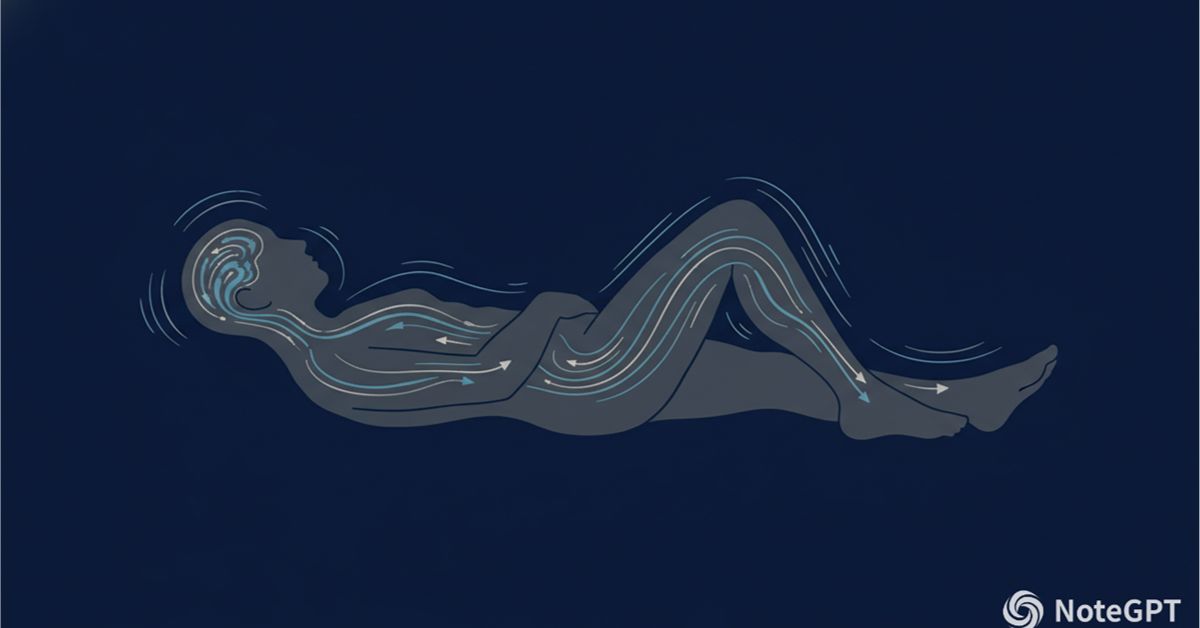
One of the biggest shifts is increased attention to the nervous system. The nervous system plays a central role in how the body responds to perceived threats, pressure, and uncertainty.
When stress responses are activated repeatedly without sufficient recovery, signals such as elevated heart rate, muscle tension, shallow breathing, and sleep disruption may become more common.
This does not mean stress causes disease directly. It means that chronic activation can make existing vulnerabilities more noticeable or harder to recover from.
This perspective overlaps with growing interest in gentle movement and breathing practices, especially in modern work environments where mental load is high. For more context, see: Why Slow Movement and Breathing Are Gaining Attention in Modern Work Culture .

Lifestyle changes doctors emphasize alongside medical care
Rather than offering one-size-fits-all advice, doctors increasingly focus on lifestyle patterns that influence stress resilience. These are not presented as cures, but as factors that shape how the body handles ongoing demands.
Common themes include:
- Improving sleep consistency and timing
- Reducing prolonged sitting and increasing daily movement
- Supporting more stable eating patterns
- Creating regular moments of physiological downshifting
These recommendations are often framed as supportive measures, especially for patients whose symptoms do not fit neatly into a single diagnosis.
Sleep, in particular, appears repeatedly in stress-related conversations. If sleep disruption is a recurring issue, this article provides deeper context: Sleep Deprivation Is a Public Health Crisis, Here Is How to Fix It Naturally .

Why stress affects people differently
Not everyone experiences stress the same way. Some people notice digestive discomfort. Others experience headaches, fatigue, skin changes, or sleep problems.
Doctors increasingly recognize that stress interacts with individual biology, past experiences, workload, and recovery capacity. This helps explain why identical advice may work well for one person and poorly for another.
Because of this variability, many clinicians now emphasize observation and adjustment rather than rigid protocols.

How this approach fits into a broader health picture
Stress does not exist in isolation. It often overlaps with inflammation, sleep disruption, and metabolic strain.
This is why stress discussions increasingly appear alongside conversations about chronic inflammation and long-term health. If you want to understand this connection more deeply, this foundational article is a helpful starting point: Inflammation: The Hidden Cause Behind Most Modern Diseases .
By addressing stress as part of a larger system, doctors aim to reduce long-term strain rather than chasing symptoms one by one.
Evidence-based public resources
The following live resources provide clear, non-commercial information on stress and health from established public institutions:
- Mayo Clinic, stress symptoms and effects: https://www.mayoclinic.org/healthy-lifestyle/stress-management/in-depth/stress-symptoms/art-20050987
- CDC, stress and coping: https://www.cdc.gov/mentalhealth/stress-coping/index.html
- NIH, health effects of stress: https://www.nccih.nih.gov/health/stress
- Harvard Health Publishing, understanding stress response: https://www.health.harvard.edu/staying-healthy/understanding-the-stress-response
Conclusion
Doctors are not quietly recommending stress reduction as a trend. They are responding to years of evidence showing that unresolved stress can influence multiple systems at once.
By shifting attention toward nervous system balance, sleep, movement, and recovery, clinicians aim to support the body’s ability to return to baseline. This approach does not replace medical care, but it helps explain why stress is increasingly treated as a whole-body issue rather than a single complaint.