
Inflammation is often spoken about as if it were a diagnosis. It appears in blood tests, shows up in medical reports, and is blamed for a wide range of symptoms. Yet inflammation itself is not a disease. It is a biological process designed to help the body adapt, repair, and protect.
Problems arise when inflammation stops behaving like a temporary response and starts acting like a permanent background state. At that point, the issue is not a single organ or condition. It is a failure of regulation across systems.
This article explains why modern medicine increasingly views chronic inflammation not as an isolated problem, but as a shared pathway linking immune, metabolic, cardiovascular, and nervous system function.
What inflammation actually is and what it is not
Inflammation is a signalling process. It involves immune cells, chemical messengers, blood vessels, and neural input working together to respond to perceived stress or damage.
In its short-term form, inflammation is essential. It helps fight infection, repair tissue, and restore balance. Once its job is done, the signals quiet down and the system returns to baseline.
Chronic inflammation is different. The signals do not fully resolve. They persist at low levels and influence how the body feels and functions day to day, even in the absence of active injury or infection.
Inflammation as a shared pathway across body systems
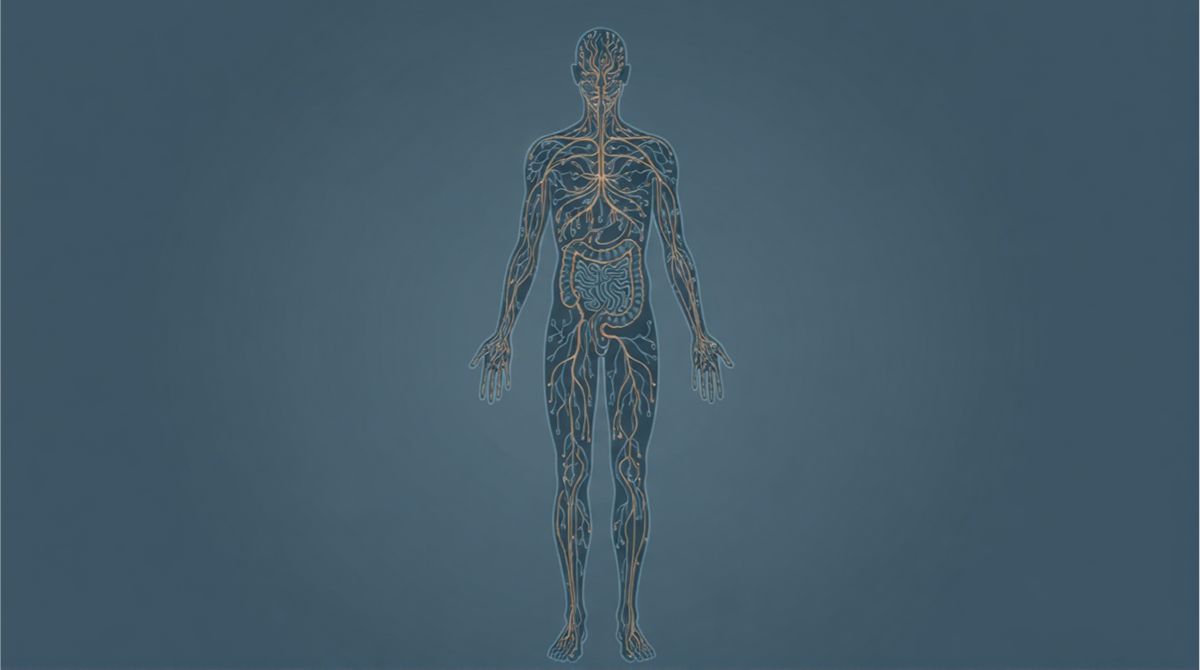
One reason chronic inflammation is so difficult to understand is that it does not belong to a single system. Immune cells release inflammatory signals, but those signals affect metabolism, blood vessels, hormone sensitivity, and nervous system activity.
This makes inflammation a shared pathway rather than a standalone problem. Changes in one system can amplify signals in another. A metabolic shift can influence immune activity. Vascular changes can alter inflammatory signalling. Nervous system tone can raise or lower inflammatory thresholds.
When this shared pathway becomes dysregulated, symptoms rarely stay confined to one organ.

Why modern medicine is rethinking inflammation
For many years, medical treatment focused on individual organs. Heart symptoms belonged to cardiology. Blood sugar belonged to endocrinology. Immune activity belonged to immunology.
Research has increasingly shown that these divisions do not reflect how biology actually works. Inflammatory signalling crosses these boundaries. This is why pharmaceutical research now targets inflammatory pathways rather than single organs. Inflammation is increasingly described as a platform rather than a condition.
This shift does not mean inflammation causes every disease. It means inflammatory regulation often shapes how different conditions develop and interact.
How inflammation links metabolism, immunity, and circulation
Metabolic processes such as blood sugar control and lipid handling are closely tied to inflammatory signalling. Inflammatory messengers influence how cells respond to insulin and how fats are processed and stored.
Blood vessels are also sensitive to inflammation. Low-grade inflammatory signalling can affect vascular tone, circulation efficiency, and tissue oxygen delivery.
Because these systems share regulatory inputs, inflammation can create overlapping effects. This explains why blood sugar instability, cholesterol changes, and fatigue often appear together rather than in isolation.
Why symptoms cross organ boundaries
When inflammation acts as a system-level signal, symptoms tend to move. One person may notice digestive changes alongside joint discomfort. Another may experience skin sensitivity paired with brain fog or low energy.
These patterns can feel random, but they often reflect shared regulation. The same inflammatory signals influence multiple tissues. The body expresses imbalance through whichever system is most sensitive at that time.

Inflammation as a regulatory failure, not an isolated problem
Chronic inflammation is best understood as a failure to return to baseline. The system remains partially activated even when no clear threat is present.
This does not imply damage is occurring everywhere. It implies that thresholds for activation and resolution have shifted. Signals are amplified, and quieting mechanisms are less effective.
This framing helps explain why suppressing one symptom or targeting one tissue often provides only partial relief.
Why treating one system often fails to resolve symptoms
When inflammation is approached as an organ-specific issue, treatment tends to focus narrowly. If underlying signalling remains dysregulated, symptoms may persist or reappear elsewhere.
This does not mean treatments are ineffective. It means they may not address the full regulatory context. Inflammation reflects how systems interact rather than where a problem originates.
How chronic stress feeds inflammatory signalling
Stress influences inflammation through nervous system regulation, hormone release, and immune signalling. Repeated stress can lower the threshold for inflammatory activation and slow the return to baseline.
This connection is explored in more depth in the main pillar article: How Chronic Stress Disrupts the Body’s Hidden Systems and Why It Feels Like Illness .
Why lab markers can look normal while inflammation persists
Many inflammatory processes operate below the thresholds measured by routine tests. Markers may fluctuate within population ranges while still representing a shift from an individual baseline.
Inflammation as regulation is difficult to capture in a single number. This explains why people can experience real symptoms even when standard tests appear unremarkable.
Putting inflammation back into the bigger systems picture
Viewing inflammation as a platform rather than a disease changes how symptoms are interpreted. It highlights interaction rather than isolation and regulation rather than damage.
This perspective links downward to related topics such as sleep, diet, and metabolic regulation, all of which influence inflammatory signalling. It also links upward to system-level stress regulation.
For additional context, see: Inflammation: The Hidden Cause Behind Most Modern Diseases .
Resources
- National Institutes of Health: Inflammation and chronic disease overview
- American Heart Association: Understanding inflammation
- National Library of Medicine: Fundamentals of inflammation
Conclusion
Chronic inflammation is not a diagnosis in itself. It signals that regulatory systems are struggling to resolve activation.
Understanding inflammation as a shared pathway explains why symptoms overlap, persist, and resist simple categorisation.
This systems-based view provides a clearer framework for interpreting chronic symptoms without reducing them to a single cause or label.