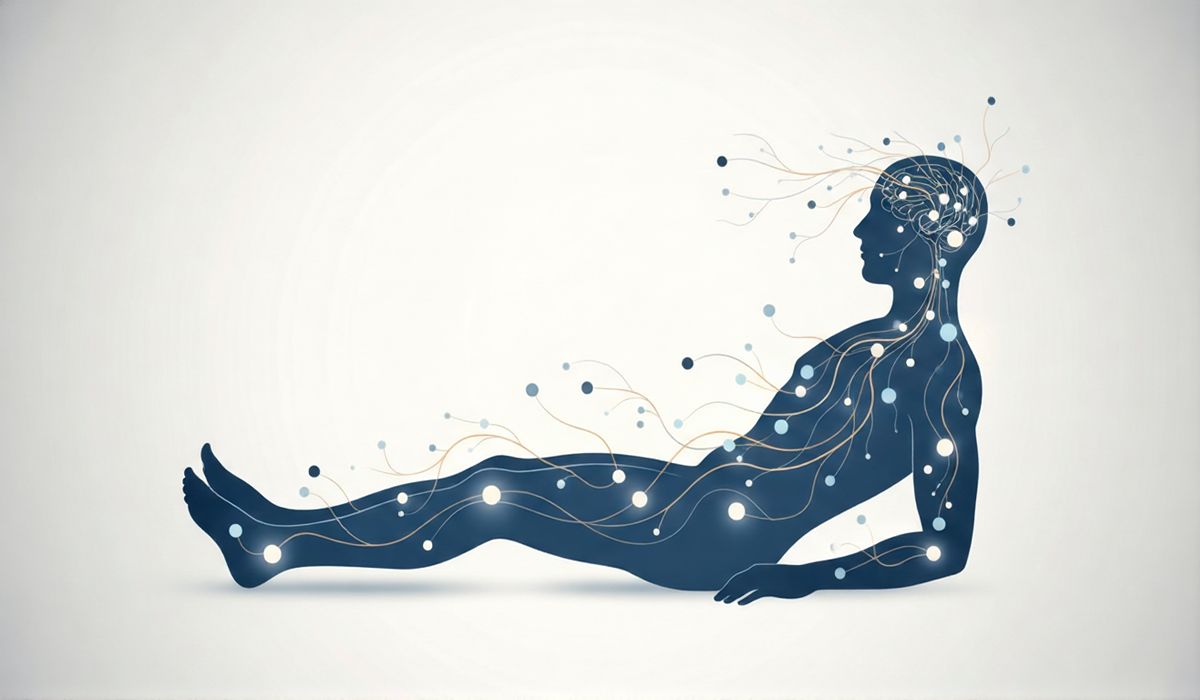
Many people notice that their physical symptoms feel worse after a poor night of sleep. Stress feels heavier, pain feels sharper, and the body feels less resilient. This can happen even when nothing else has changed and no clear illness is present.
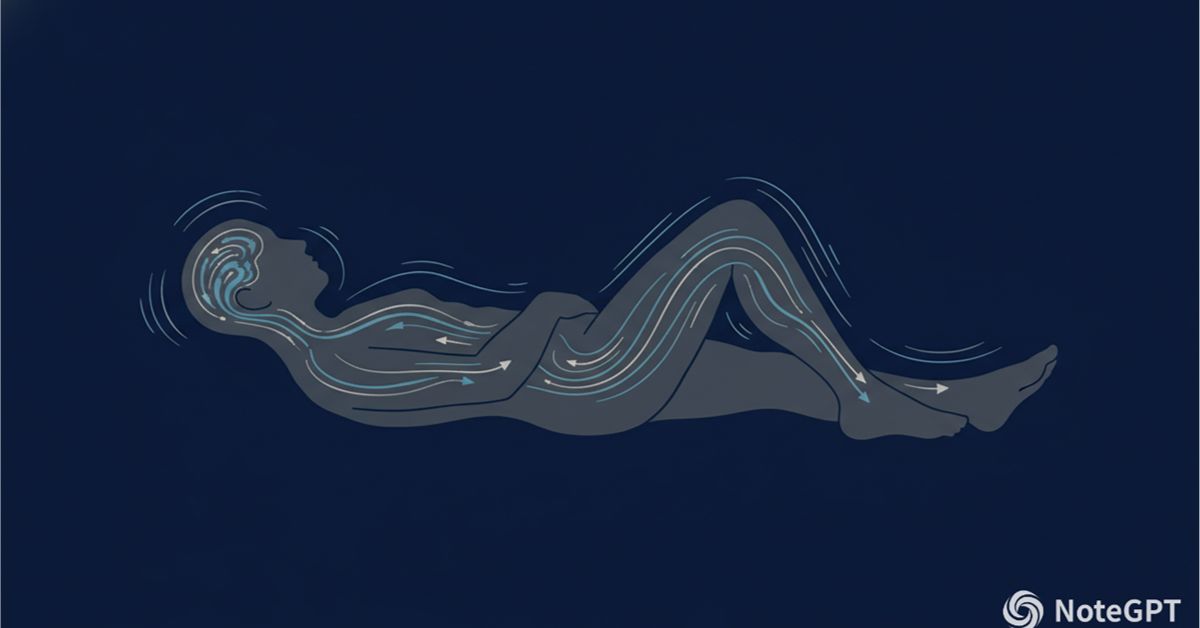
Sleep is often described as rest, but biologically it is something more active. During sleep, the brain and body carry out essential maintenance work that cannot happen while we are awake. When sleep is disrupted, these processes are interrupted.
This article explains why poor sleep can make stress feel like a physical illness, and how sleep loss alters regulation across the nervous, immune, and inflammatory systems.
Sleep is not rest. It is active maintenance
While the body appears still during sleep, many systems become more active. Hormone patterns shift, neural activity reorganises, and regulatory signals are reset.
Sleep provides a window in which the body can downshift from external demands and focus on internal balance. It is a time for recalibration rather than inactivity.
When this maintenance window is shortened or fragmented, the effects are not subtle. The body carries unfinished regulatory work into the next day.
What the brain clears during sleep and why it matters
During sleep, the brain engages in clearing processes that help remove metabolic byproducts and rebalance signalling environments. These processes support cognitive clarity, emotional regulation, and sensory filtering.
When sleep is insufficient, this clearing is less effective. Signals that would normally quiet down remain active. This can leave the brain in a more reactive and less stable state.
Over time, repeated sleep disruption can contribute to a sense of mental fog, heightened sensitivity, and reduced tolerance to stress.
How poor sleep amplifies inflammatory signalling
Sleep plays a role in regulating inflammatory activity. During healthy sleep, inflammatory signals tend to quiet, allowing the body to return closer to baseline.
When sleep is disrupted, this quieting process is incomplete. Low-grade inflammatory signalling may remain elevated, increasing sensitivity across multiple systems.
This does not necessarily mean inflammation reaches levels seen in disease. It means the background noise is higher, making the body feel less settled.
Why the immune system behaves differently after sleep loss
The immune system is closely tied to sleep patterns. Sleep helps regulate immune readiness and recovery.
After poor sleep, immune signalling can shift toward a more alert state. This may increase reactivity without providing additional protection.
The result can be a heightened sense of bodily discomfort and a lower threshold for stress-related symptoms.
Why stress and poor sleep magnify each other
Stress makes it harder to sleep, and poor sleep makes stress harder to tolerate. This creates a reinforcing loop.
Stress activates the nervous system. Sleep normally helps dial that activation back down. When sleep is shortened or fragmented, that reset does not fully occur.
Over time, this loop can make stress feel increasingly physical, even in the absence of a single identifiable condition.

Why symptoms feel more physical after a bad night
Sleep loss affects how the brain interprets signals from the body. Sensory thresholds shift, and neutral sensations may feel uncomfortable.
Pain sensitivity can increase, muscle tension can persist, and internal sensations become harder to ignore.
These changes do not mean damage is occurring. They reflect altered processing and reduced regulatory buffering.
Why sleep problems often appear before bigger health issues
Changes in sleep are often among the earliest signs that regulatory systems are under strain.
Sleep disruption does not predict disease, but it can signal that the body is struggling to maintain balance.
This makes sleep a sensitive indicator rather than a diagnosis.
How this fits into the stress systems picture
Sleep interacts with stress, inflammation, and immune regulation. It plays a central role in the system-wide effects of chronic stress.
This relationship is explored in more depth in the main pillar article: How Chronic Stress Disrupts the Body’s Hidden Systems and Why It Feels Like Illness .
It also connects to the broader role of inflammation discussed here: Inflammation: The Hidden Cause Behind Most Modern Diseases .
Resources
- National Institute of Neurological Disorders and Stroke: Understanding sleep
- National Institutes of Health: Sleep and immune function
- National Institutes of Health: Sleep loss and inflammation
Conclusion
Poor sleep does not create disease on its own. It alters regulation across systems that help the body handle stress.
When sleep is disrupted, stress feels louder and more physical because the usual buffering and clearing processes are incomplete.
Understanding sleep as active maintenance helps explain why improving regulation can change how stress is experienced.