

Skincare advice is everywhere, yet much of it is contradictory, trend-driven, or tied to product promotion. Amid this noise, certain broad principles consistently appear in dermatology research and professional guidance. These principles do not promise perfect skin, nor do they rely on complex routines. Instead, they reflect how skin functions biologically and how it responds to daily stress.
This article looks at the shared patterns dermatologists often agree on, why they matter, and how they fit into a realistic, long-term approach to skin care.

Why the skin barrier matters more than most routines
The outermost layer of the skin, often referred to as the skin barrier, plays a central role in maintaining skin health. Its primary function is protective. It helps retain moisture while limiting the entry of irritants, pollutants, and microbes.
Research in dermatology consistently emphasizes barrier integrity as a foundation for healthy-looking skin. When the barrier is compromised, skin may become more reactive, dry, or uneven in appearance. This is why many professional guidelines focus less on aggressive treatments and more on preserving the skin’s natural defenses.
The American Academy of Dermatology highlights gentle cleansing and appropriate moisturizing as core elements of everyday skin care, regardless of skin type.
Simplicity over complexity in everyday care
One of the most consistent themes in dermatology guidance is restraint. Overly complex routines, frequent product changes, and excessive exfoliation can place unnecessary stress on the skin barrier.
Minimal routines are not about doing less for the sake of it. They are about reducing competing signals on the skin. Fewer products make it easier to observe how the skin responds and lower the likelihood of irritation caused by overlapping ingredients.

This perspective aligns with broader discussions about long-term skin aging and structure. Our article on blood sugar and skin structure explores how internal factors can influence the skin alongside topical care.
Common stressors that influence skin appearance
Skin does not exist in isolation. Environmental exposure, daily habits, and physiological stress all interact with the skin barrier. Sun exposure, dry indoor air, temperature changes, and air pollution can subtly affect how skin looks and feels over time.
Dermatology literature often frames these influences as cumulative rather than immediate. Small, repeated stressors may shape skin appearance gradually, which helps explain why consistency tends to matter more than short-term interventions.
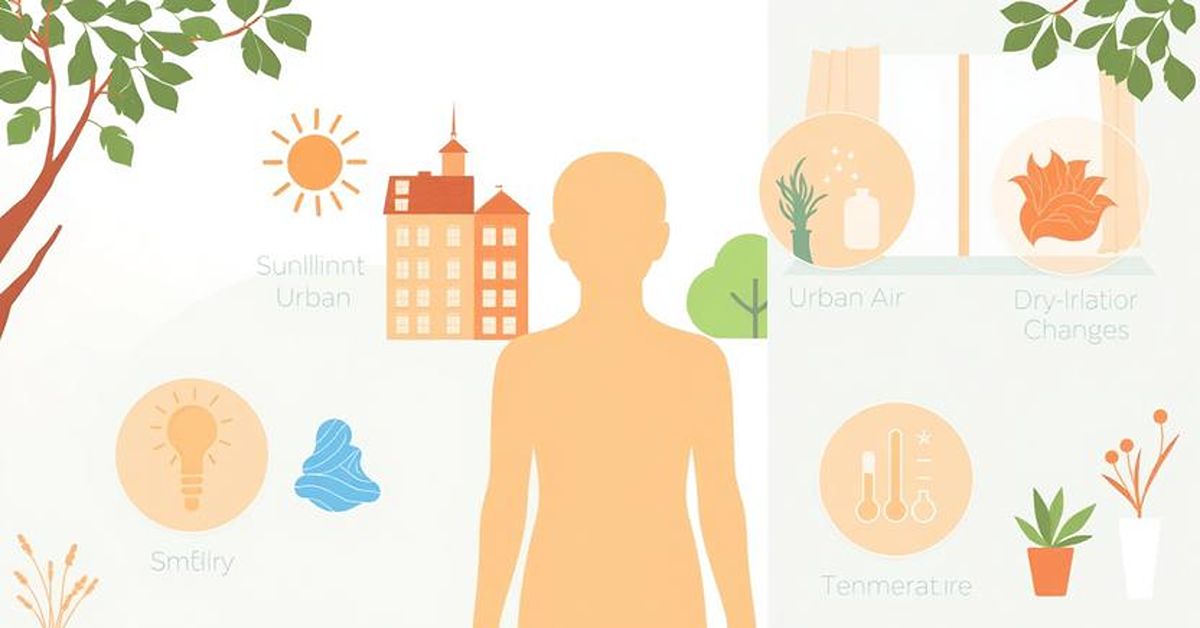
Institutions such as the UK National Health Service emphasize protecting the skin from everyday environmental strain as part of general skin care awareness.
Consistency and expectations over time
A recurring message in dermatology guidance is patience. Skin renewal occurs over weeks, not days. Expecting rapid visible changes can lead to unnecessary product switching or overuse.
Viewing skincare as a steady, supportive practice rather than a corrective one helps align expectations with biological reality. This mindset also reduces the pressure to chase trends or dramatic claims.

How professional guidance is usually framed
When dermatologists discuss effective routines, they typically speak in terms of principles rather than prescriptions. The goal is to support skin function, minimize avoidable stress, and adapt care to individual context without promising specific outcomes.
This approach reflects the limits of topical care alone. Skin appearance is influenced by genetics, age, environment, and internal health factors, many of which extend beyond what products can control.
Conclusion
The skincare routines most often supported by dermatology research are not built around complexity or bold claims. They emphasize barrier support, simplicity, and consistency over time.
Understanding these patterns can help separate lasting guidance from short-lived trends. Rather than offering guarantees, this perspective provides a clearer framework for thinking about skincare in a realistic and evidence-aware way.