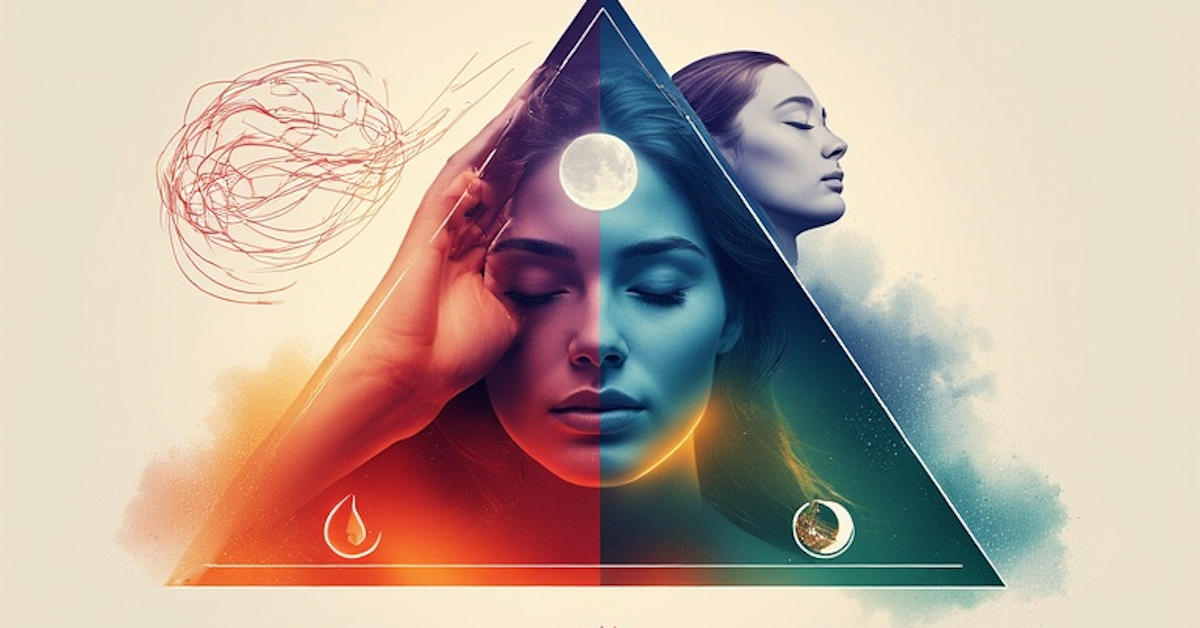
Skin concerns are often treated as surface-level problems, addressed mainly through products and routines. Research suggests a broader picture. Stress levels, sleep quality, and skin function are closely linked through shared biological pathways. When one side of this triangle is disrupted, the others often follow.
Understanding how stress and sleep interact with skin helps explain why some skin issues persist despite consistent topical care.

Why stress and sleep matter to skin biology
Skin is a responsive organ. It reacts not only to environmental exposure but also to internal signals related to stress and rest. Hormonal signaling, immune activity, and cellular repair processes all influence how skin behaves over time.
When stress becomes persistent or sleep is regularly disrupted, these systems may shift in subtle ways. The result is often gradual rather than immediate, making the connection easy to overlook.
How stress signaling can influence skin function
Psychological stress activates physiological responses designed for short-term adaptation. When these responses remain elevated, they can influence inflammatory signaling and immune balance, both of which play a role in skin appearance and resilience.
Research in dermatology increasingly links stress-related signaling with flare patterns in various skin conditions, without framing stress as a single cause. Our Skin Care pillar article on the limits of topical skincare explains why surface treatments alone often cannot address these deeper influences.

Sleep and the skin’s repair cycles
Sleep is a key period for systemic repair. During normal sleep cycles, the body supports processes involved in cellular turnover, barrier maintenance, and immune regulation. Skin renewal follows this rhythm.
When sleep is shortened or fragmented, these repair processes may become less efficient. Over time, this can influence texture, tone, and how skin responds to everyday stressors.
Public health research summarized by the National Heart, Lung, and Blood Institute highlights sleep as a foundational factor in tissue repair across the body, including the skin.

The feedback loop between stress and sleep
Stress and sleep influence each other in both directions. Heightened stress can make sleep more difficult, while poor sleep can amplify stress sensitivity the following day. This feedback loop creates a compounding effect.
Over time, repeated disruption may influence inflammatory balance and barrier stability. This helps explain why skin changes linked to stress and sleep often emerge gradually rather than suddenly.
Our related Health article on sleep deprivation as a public health issue explores how widespread sleep disruption affects multiple body systems at once.
Why the triangle matters more than any single factor
Looking at stress, sleep, or skin in isolation can miss the larger pattern. These elements interact continuously, shaping the internal environment in which skin functions.
This perspective also explains why addressing only one factor rarely produces lasting change. Skin reflects cumulative signals from the nervous system, immune activity, and daily recovery cycles.

Conclusion
Stress, sleep, and skin form an interconnected triangle rather than separate issues. Persistent stress can influence sleep quality, disrupted sleep can affect skin repair, and skin changes can become one of the visible outcomes of this internal imbalance.
Understanding this relationship shifts attention away from surface-level fixes and toward a more realistic view of how internal rhythms shape skin over time.