Skincare products are often expected to deliver visible, lasting change. When results fall short, the problem is usually framed as the wrong product, the wrong routine, or the wrong ingredients. Research suggests a different explanation. Many skincare products have built-in limits that are easy to overlook when expectations are shaped by marketing rather than biology.
This article explains why topical skincare frequently underdelivers, what those limits are, and what skin science tends to emphasize instead. The goal is not to dismiss products, but to clarify what they can and cannot reasonably influence over time.
The structural limits of topical skincare
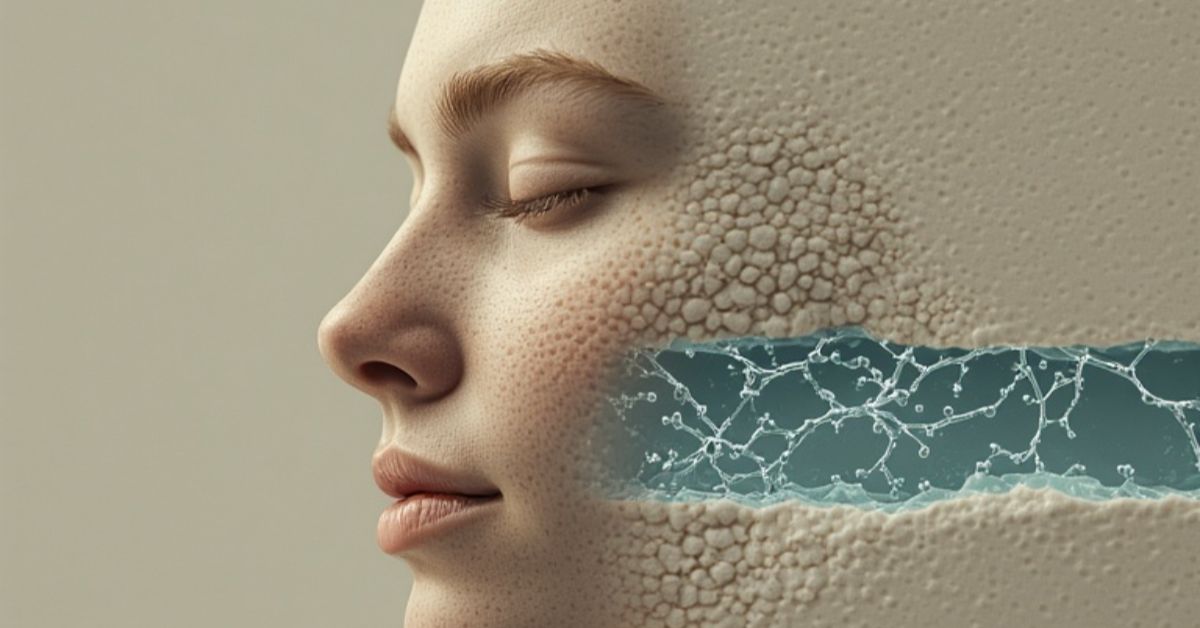
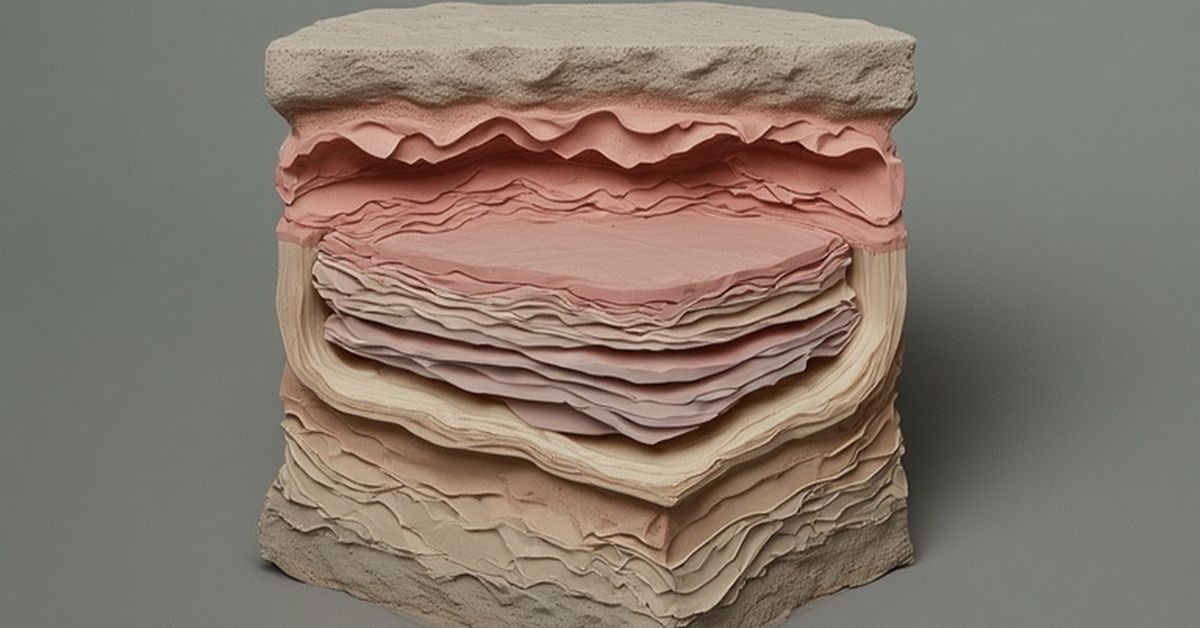
Topical products interact primarily with the outer layers of the skin. This is not a design flaw. It is a consequence of how human skin evolved. The skin’s outer barrier limits penetration in order to protect the body from environmental exposure.
As a result, most products are capable of influencing surface hydration, texture, and short-term appearance, but not deeper biological processes. Changes involving collagen production, inflammation signaling, or cellular turnover are regulated largely from within the body.
Professional guidance from organizations such as the American Academy of Dermatology consistently emphasizes gentle care and barrier support rather than aggressive surface intervention.
The skin barrier as a filtering system
The skin barrier functions as a selective filter. It allows limited interaction with the environment while preventing most external substances from reaching deeper layers. This filtering role explains why even well-formulated products often produce subtle or temporary effects.
When products attempt to bypass this system through frequent exfoliation or strong actives, the barrier itself may become compromised. In those cases, short-term changes can be mistaken for improvement, even when long-term resilience is reduced.

Supporting the barrier is a recurring theme across dermatology research. This principle is explored further in our supporting article on how dermatology research frames effective skincare routines.
Why expectations often exceed biology
Many skincare products are marketed with language that implies control over aging, pigmentation, or structural change. Biology operates on a different timeline. Skin renewal occurs over weeks, while deeper changes unfold over years.
This mismatch between expectation and biological pace is one reason products are often perceived as failing. The effects that are most visible tend to be those that are also most temporary, such as surface smoothing or hydration.

Research summarized by institutions like the :contentReference[oaicite:1]{index=1} highlights that long-term skin changes are shaped by multiple interacting systems rather than single topical interventions.
Internal systems products cannot address alone
Skin appearance reflects internal context. Inflammation, metabolic regulation, circulation, and hormonal signaling all influence how skin ages and repairs itself. These systems operate largely outside the reach of topical products.
This does not mean products are ineffective. It means they are one layer of influence within a broader biological environment. Our Skin Care articles explore these internal connections in depth, including:
- how diet and physical activity influence skin aging over time
- how blood sugar regulation relates to skin structure
- what chronic inflammation does to skin aging over time

Why consistency and context matter more than substitution
When products appear to fail, the instinct is often to replace them. Research suggests that substitution alone rarely changes outcomes. What matters more is the context in which products are used and the consistency of supportive patterns over time.
From a biological perspective, skin reflects accumulated exposure. Short-term product changes are unlikely to override long-standing internal or environmental influences.

Conclusion
Most skincare products do not fail because they are poorly made. They fall short because they are expected to influence processes that operate beyond their reach. Skin biology sets clear boundaries on what topical care can accomplish.
Understanding these limits shifts the conversation away from constant replacement and toward clearer expectations. In doing so, skincare becomes less about searching for alternatives and more about aligning surface care with the systems that shape skin over time.