
Skin aging is often discussed in terms of what appears on the surface: texture, tone, or elasticity. But over the past two decades, researchers have increasingly framed skin aging as part of broader biological processes that unfold throughout the body over time. Among these processes, chronic inflammation has emerged as a recurring area of interest — not as a visible symptom, but as a background condition that may influence how skin changes with age.
Understanding this connection does not require viewing inflammation as a disease or skin aging as a problem to solve. Instead, it involves looking at how long-term biological signaling, repair cycles, and systemic stressors can shape the way skin evolves over decades.
Why Skin Aging Is No Longer Seen as a Surface-Only Process
For much of modern history, skin aging was treated as a largely external phenomenon. Sun exposure, environmental factors, and surface damage were seen as the primary drivers of visible change. While these factors remain relevant, research in aging biology has expanded the picture.
Skin is now understood as an active organ that responds continuously to signals from the immune system, metabolism, and hormonal regulation. Changes that appear on the surface often reflect processes happening deeper within the body, unfolding slowly and cumulatively rather than suddenly.
This shift in perspective has led researchers to explore how long-term internal conditions — including low-grade inflammation — may intersect with skin aging over time.
What Researchers Mean by “Chronic Inflammation”
Inflammation is commonly associated with short-term responses such as swelling or redness. In research contexts, however, chronic inflammation refers to something more subtle: a persistent, low-level activation of inflammatory pathways that can remain present even in the absence of acute illness.
This form of inflammation does not necessarily cause noticeable symptoms. Instead, it operates in the background, influencing how tissues repair themselves, how cells communicate, and how the body allocates resources over time.
Researchers often distinguish this from acute inflammation, which is temporary and part of normal healing processes. Chronic inflammation, by contrast, is characterized by duration rather than intensity.
How Inflammation Interacts With Skin Structure Over Time
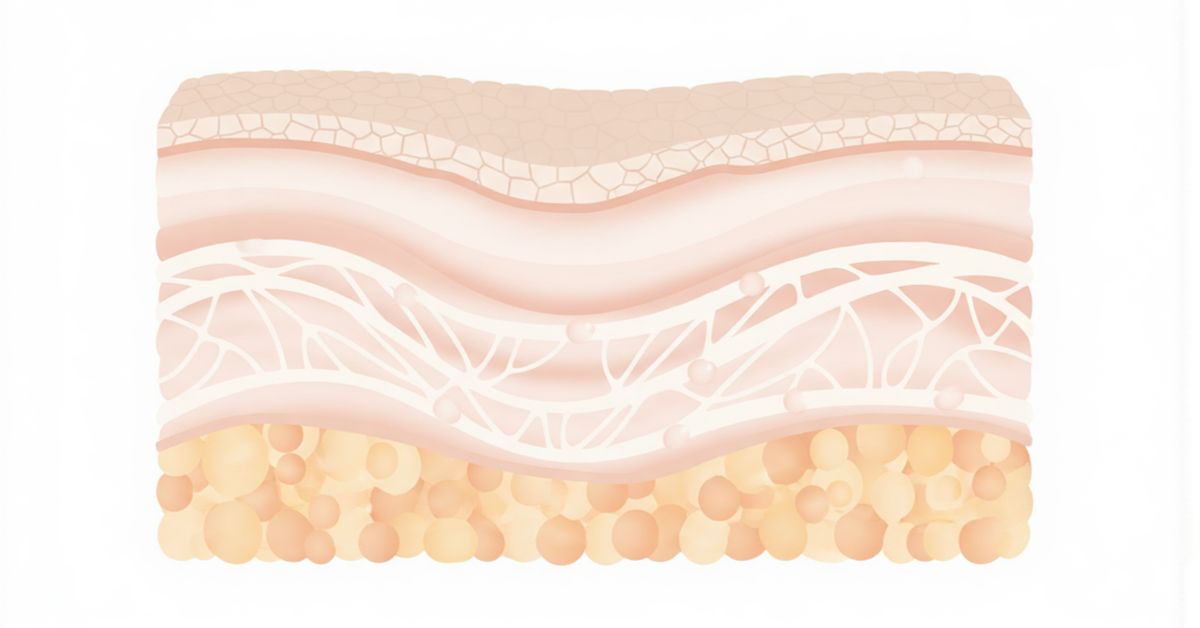
Skin structure depends on a balance between breakdown and renewal. Collagen and elastin fibers provide support and flexibility, while regular cell turnover helps maintain the skin barrier. Research suggests that inflammatory signaling can influence these processes indirectly.
Over long periods, persistent inflammatory activity may affect how efficiently skin renews itself or how structural components are maintained. Rather than causing immediate changes, these influences tend to accumulate slowly, interacting with natural aging pathways already in place.
Inflammation and intrinsic aging pathways
It is important to note that inflammation does not replace intrinsic aging mechanisms. Genetic factors, time-dependent cellular changes, and environmental exposures all contribute independently. Inflammation is best understood as one factor that may modify how these processes unfold, not as a single driving force.
The Link Between Systemic Inflammation and Visible Skin Changes
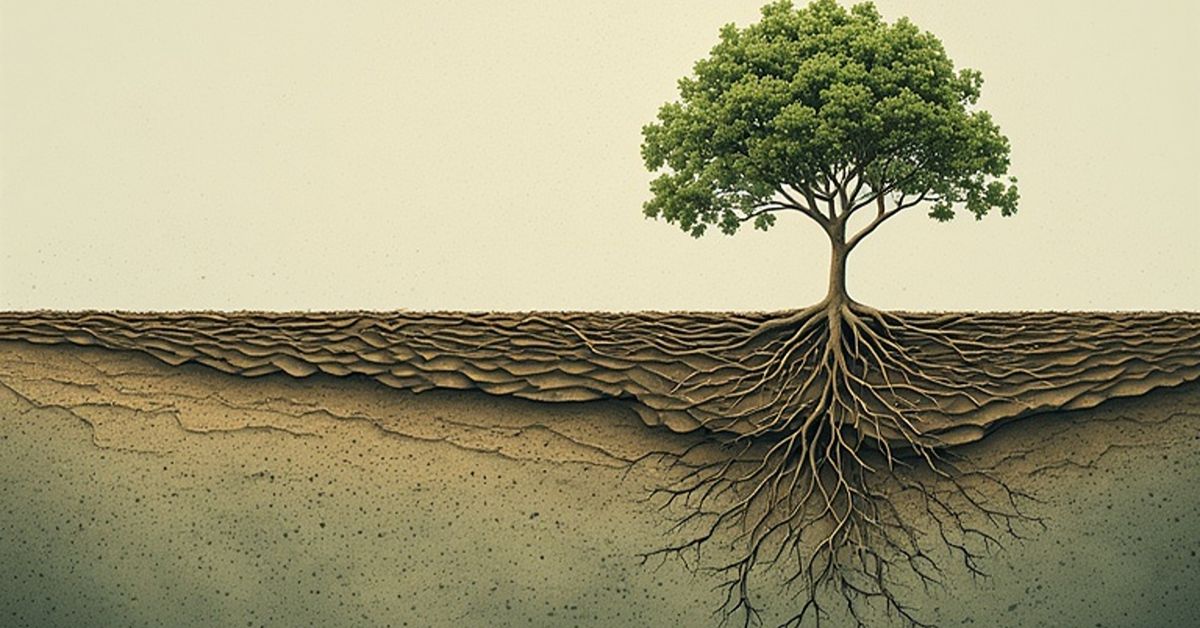
Because skin responds to signals from the rest of the body, researchers have explored whether systemic inflammation — inflammation occurring beyond the skin itself — may be associated with gradual changes in appearance.
Some studies have observed associations between inflammatory markers and aspects of skin texture or resilience. These observations do not suggest a direct cause-and-effect relationship. Instead, they point to a possible connection between long-term internal conditions and how skin adapts over time.
Importantly, these changes tend to be subtle and progressive. They do not appear suddenly, nor do they follow a uniform pattern across individuals.
What Research Still Doesn’t Fully Agree On
Despite growing interest, many questions remain unresolved. Research findings vary depending on study design, population, and measurement methods. Laboratory models do not always translate cleanly to long-term human aging, and separating the effects of inflammation from other aging factors remains challenging.
Individual variation also plays a significant role. Genetics, environment, and life circumstances can all influence how inflammatory processes interact with skin over time. As a result, researchers caution against drawing broad conclusions from isolated findings.
How This Fits Into Broader Skin Aging Research
Chronic inflammation is increasingly discussed as part of a larger framework for understanding aging across multiple tissues, including skin. Within this framework, inflammation is viewed as one influence among many — interacting with metabolism, cellular repair, and environmental exposure.
For a broader discussion of how internal systems contribute to skin aging, see:
How Diet and Exercise Shape Skin Aging Over Time
To explore inflammation from a whole-body perspective, see:
Inflammation: The Hidden Cause Behind Most Modern Diseases
Understanding the Role of Inflammation Without Overstating It
It is tempting to frame inflammation as a single explanation for complex biological changes. Current evidence does not support such a simplified view. Skin aging reflects the combined effects of time, biology, and environment, with inflammation acting as a contextual factor rather than a determining one.
Recognizing this complexity helps maintain realistic expectations and avoids turning biological processes into problems that must be fixed.
Research & References
Researchers continue to study the relationship between chronic inflammation and skin aging using a variety of approaches, including aging biology reviews, dermatological research, and population-level studies. Much of this work emphasizes patterns, associations, and uncertainty rather than definitive conclusions.
As the field evolves, future research may clarify how these processes interact — and where their limits lie.