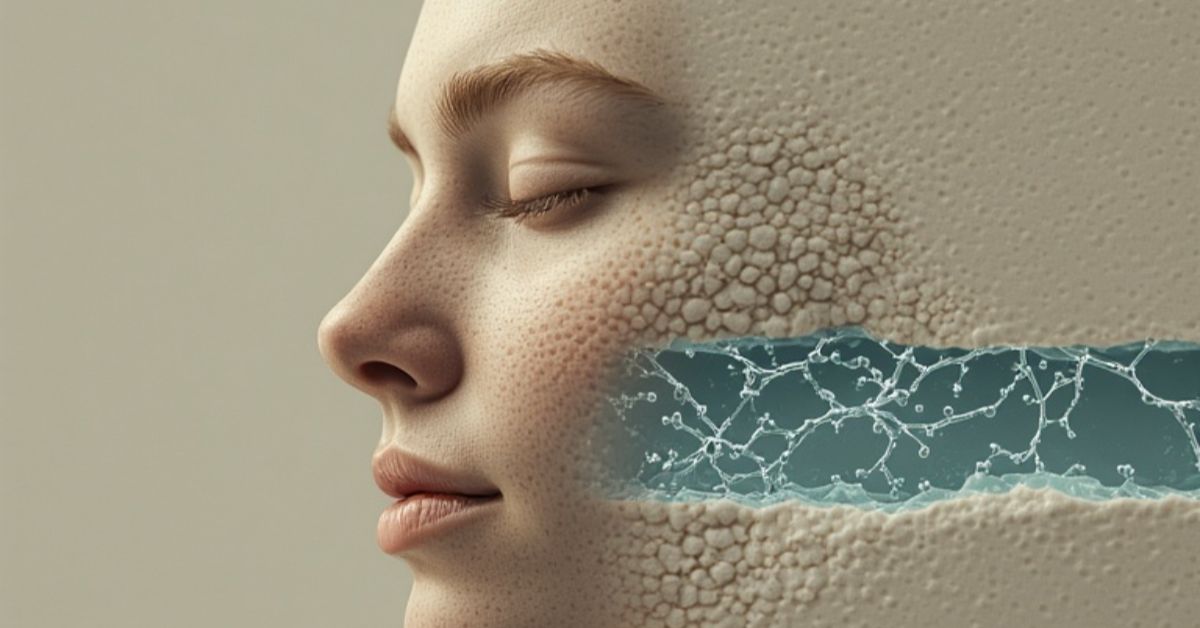

Skin ageing is often framed as something that happens on the surface. In reality, many of the processes that shape how skin changes over time begin inside the body. Diet and physical activity do not determine skin ageing on their own, but research suggests they influence several internal systems that interact with skin structure, resilience, and appearance.
Understanding these relationships helps explain why skincare outcomes vary so widely and why long-term patterns tend to matter more than short-term interventions.
Skin ageing as a biological process, not a surface event
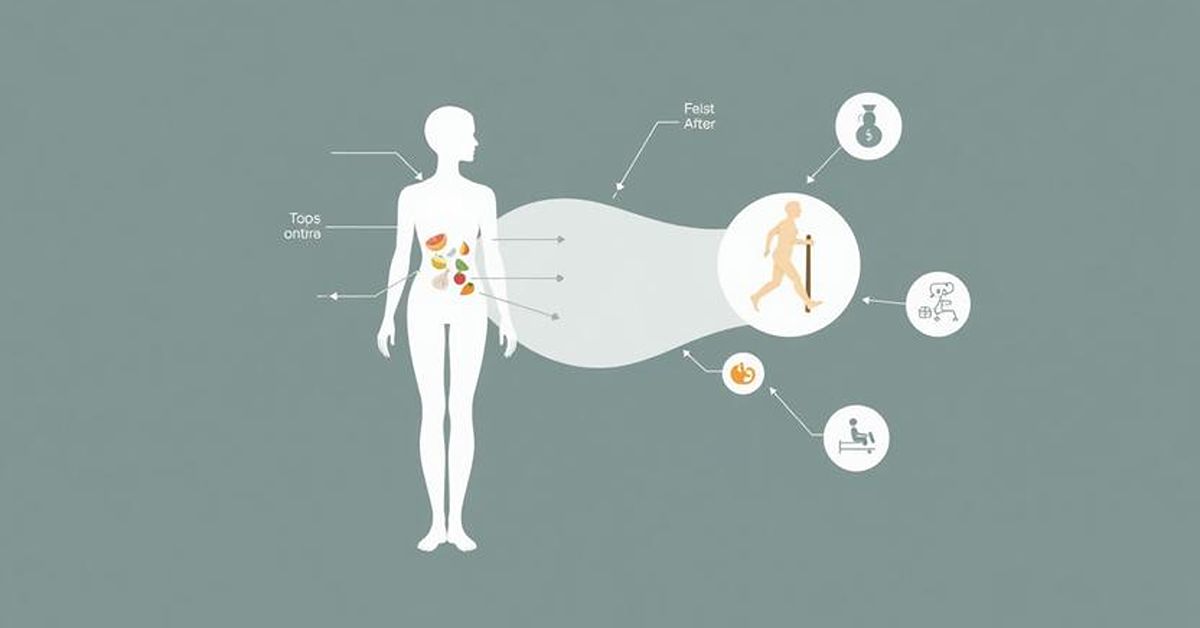
Skin is a living organ that depends on circulation, nutrient availability, and hormonal signalling. As the body ages, these systems change gradually. Collagen production slows, cellular turnover becomes less efficient, and the skin’s ability to respond to stressors shifts.
Dermatology research increasingly links these changes to internal inflammatory processes. Our Skin Care pillar article on chronic inflammation and skin aging explains how low-grade inflammation can shape long-term skin structure and resilience.
Diet, blood sugar regulation, and skin structure
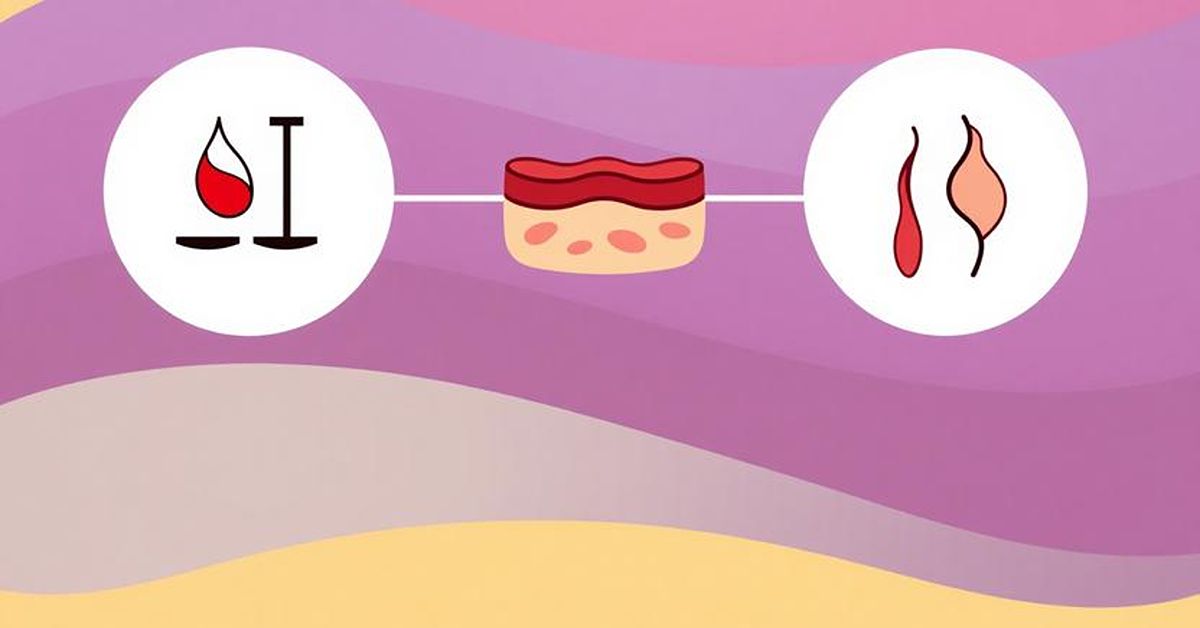
Diet influences skin ageing primarily through metabolic pathways rather than direct contact. Patterns that affect blood sugar regulation can shape how the body manages inflammation and oxidative stress, both of which are linked to gradual changes in skin structure.
Research associates frequent blood sugar spikes with processes that may accelerate collagen breakdown and reduce skin elasticity over time. These effects are cumulative rather than immediate. Our article on blood sugar and skin structure explores this relationship in more detail.
Nutrition research summarised by the :contentReference[oaicite:0]{index=0} highlights how long-term dietary patterns influence inflammatory balance, which may indirectly affect skin aging.
Exercise, circulation, and skin support systems
Physical activity affects the skin through its influence on circulation, oxygen delivery, and stress regulation. Improved blood flow supports the transport of nutrients and the removal of metabolic byproducts, processes that contribute to overall skin function.
Research does not suggest that exercise prevents ageing, but it does indicate that regular movement supports biological systems the skin relies on. This relationship is typically discussed in terms of tissue health rather than cosmetic outcomes.
This broader framing aligns with guidance from organisations such as the :contentReference[oaicite:1]{index=1} , which emphasises physical activity as a factor influencing multiple body systems at once.
Inflammation, oxidative stress, and cumulative effects
Low-grade, chronic inflammation is increasingly studied as a contributor to many age-related changes, including those affecting the skin. Diet and activity patterns can influence inflammatory signalling over time, interacting with environmental exposures such as sun and pollution.
These effects tend to accumulate slowly. This helps explain why consistent lifestyle patterns often show stronger associations with skin aging than isolated habits. A broader health overview is explored in our article on chronic inflammation and modern disease.
Long-term patterns matter more than quick changes
One of the most consistent findings across lifestyle research is the importance of duration. Skin ageing reflects years of internal and external exposure rather than weeks of behaviour.
Framing diet and exercise as influences rather than controls helps set realistic expectations. These factors shape the internal environment in which skin functions, but they do not override genetics, time, or environmental stressors.

Conclusion
Diet and exercise do not secretly dictate how skin ages, but they do influence biological systems that skin depends on. Their effects are indirect, gradual, and part of a larger network of factors that shape skin over time.
Viewing skin ageing through this broader lens moves the conversation away from quick fixes and toward a clearer, evidence-based understanding of how long-term patterns interact with skin health.