Ultra-processed foods are easy to spot in daily life: packaged snacks, sugary drinks, instant noodles, frozen meals, sweetened cereals. They’re built for convenience, long shelf life, and strong flavor.
What’s changed in recent years is not that these foods exist, but how much of the modern diet they can quietly take up—and how consistently research has linked higher intake to less healthy outcomes at the population level.
This pillar article explains what “ultra-processed” means in research, what the evidence most consistently shows (and what it doesn’t), why this matters for adults 25–55, and how to think about the bigger system that makes these foods so common.
What “ultra-processed food” means in population research
In nutrition science, “ultra-processed foods” (often shortened to UPFs) typically refers to products classified as NOVA Group 4. NOVA is a food classification system that groups foods by the extent and purpose of processing, not simply by calories, fat, or sugar.
Ultra-processed foods are generally industrial formulations made from refined ingredients (such as starches, sugars, oils, and protein isolates) plus additives that change texture, flavor, appearance, or shelf stability. They tend to contain little intact whole food.
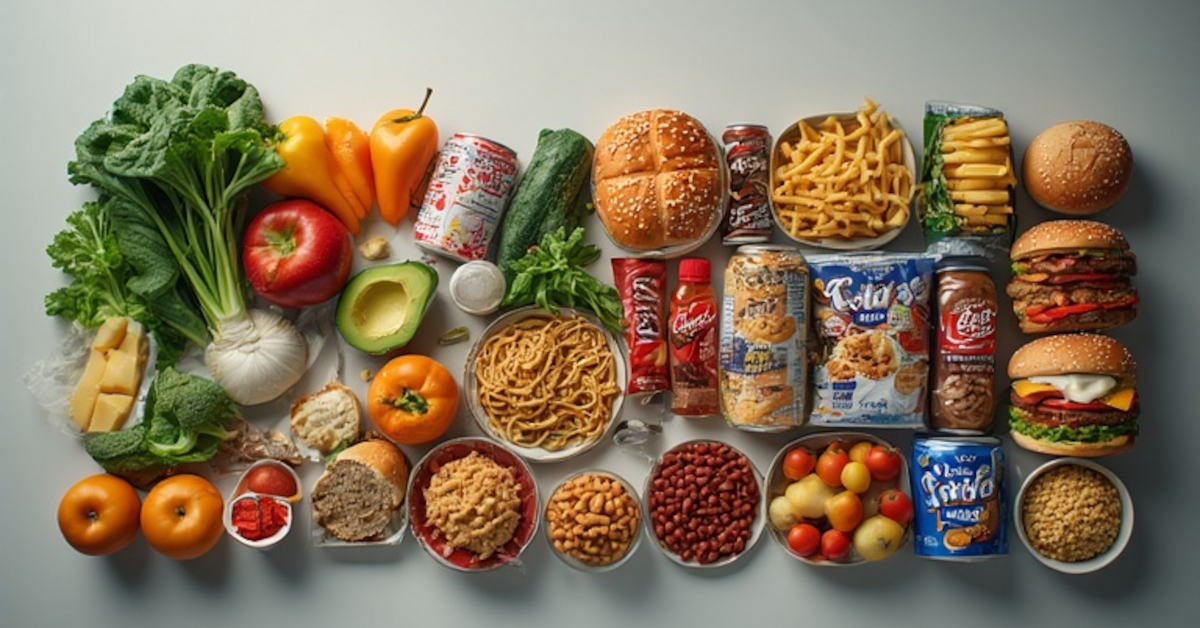
Common examples include:
- Soft drinks and sweetened beverages
- Packaged cookies, candy, chips, and snack cakes
- Instant noodles and many boxed “just add water” meals
- Many frozen ready-to-heat meals
- Processed meats (varies by product and definition)
Not every packaged food is “ultra-processed,” and processing exists on a spectrum. Frozen vegetables, plain yogurt, canned beans, and pasteurized milk are processed, but they are not typically classified the same way as an industrial snack cake or a sugary soda.
If you’re comparing broad diet patterns, you may also like: The most effective diets for real health (not just weight loss).
What the evidence consistently shows
Fact (what’s broadly observed): Across many large observational studies, higher ultra-processed food intake is associated with higher risk of several outcomes, including weight gain, cardiometabolic disease, and all-cause mortality. These studies do not prove that UPFs directly cause disease in any one person, but the pattern shows up repeatedly across populations.
Fact (a key experimental clue): In a well-known controlled feeding study, people ate more calories and gained more weight when assigned an ultra-processed diet compared with a minimally processed diet, even when meals were designed to be broadly matched on certain nutrients. That doesn’t settle every debate, but it strengthens the case that “processing patterns” can matter beyond a single nutrient.
Interpretation (why this keeps showing up): A practical way to read the literature is that UPFs often combine multiple “easy-to-overconsume” features at once—high palatability, low fiber, softer textures, fast eating rates, and aggressive convenience—while also displacing foods that naturally come with fiber and micronutrients.
How ultra-processed foods may affect the body
1) Appetite, fullness, and calorie intake
Many UPFs are engineered to be easy to chew, quick to swallow, and highly rewarding in taste. Research suggests that these characteristics can be linked to higher total intake—especially when UPFs become the default option across meals and snacks.
2) Dietary fiber and the gut ecosystem
Whole and minimally processed plant foods tend to carry fiber and a range of naturally occurring compounds. Many ultra-processed products are comparatively low in fiber. In population research, diets lower in fiber are associated with less favorable metabolic outcomes, and gut microbiome research has explored how food patterns may shape the gut environment.
For a wider lens on how “inflammation” is discussed in public health conversations (and where claims can go too far), see: Inflammation: the hidden cause behind most modern diseases.
3) Cardiometabolic risk patterns
Across cohorts, higher UPF intake is frequently linked with higher rates of obesity, type 2 diabetes, and cardiovascular disease. These links are typically described as associations. Researchers try to adjust for confounders (like income, smoking, activity, and total calories), but no single study removes all uncertainty.
4) Mental health signals (promising but less settled)
Some studies report associations between diets higher in UPFs and higher rates of depressive symptoms. This area is active and complex: mental health is shaped by stress, sleep, work conditions, social support, and many other factors that can also influence food choices.
If stress and sleep are part of your bigger picture, these may be relevant background reads: Stress-related health problems: what clinicians commonly emphasize and Sleep deprivation as a public health issue.
Why this matters for adults 25–55
This age range is often the “high-demand” phase of life—career pressure, long commutes, caregiving, parenting, financial stress, and time scarcity. Ultra-processed foods tend to fit those constraints: they’re fast, consistent, and widely available.
In practical terms, UPFs often show up not because someone “doesn’t care,” but because they solve real problems (time, cost, predictability). That’s one reason they’re a public health topic, not just a personal choice topic.
If you’re thinking about “small daily patterns” across food, movement, and routine, see: Science-backed daily habits linked to long-term health.
Systems and environment: why ultra-processed foods are everywhere
Fact: Ultra-processed foods are designed for scalability: long shelf life, stable supply chains, predictable taste, and low unit cost. That matches modern retail systems and modern schedules.
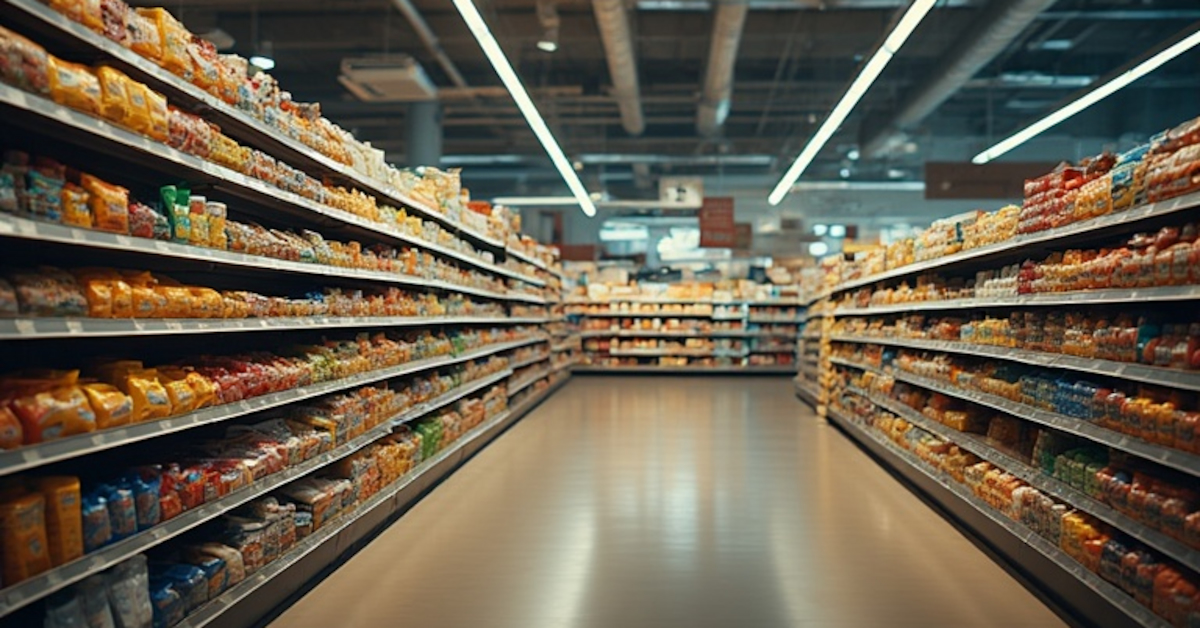
Fact: Marketing and placement matter. Highly processed snacks and drinks are often positioned for impulse buying (checkouts, end caps, “value” bundles). This influences what people purchase without requiring a conscious decision.
Interpretation: The “UPF problem” can be read as an infrastructure mismatch: the food environment is optimized for convenience and profit, while human biology is optimized for scarcity and reward. When the environment changes faster than habits can adapt, population health patterns shift.
What people commonly misunderstand
“If it’s packaged, it’s automatically bad.”
Processing is not one thing. Some processed foods support nutrition and affordability (frozen produce, canned fish, beans, plain dairy, whole-grain breads with short ingredient lists). The research focus is usually on the most industrialized, additive-heavy products that displace whole foods.
“It’s only about sugar.”
Sugar matters, but UPFs can be high in refined starches, salt, certain fats, and low in fiber. Many are also designed to be eaten quickly and in large amounts. Research debates continue about which mechanisms matter most.
“One ingredient label rule solves it.”
Some people use ingredient lists as a rough signal, but there is no perfect shortcut. Ultra-processing is about formulation and purpose, not only the number of ingredients.
For a food-focused companion piece, see: Anti-inflammatory foods doctors commonly recommend eating. And for protein context that often gets oversimplified online: Protein intake by age: a science-based guide.
Where evidence is limited or still debated
Fact: Most UPF-health links come from observational studies, which can’t fully separate cause from correlation. People who eat more UPFs may also face constraints like shift work, lower income, limited cooking facilities, or higher stress.
Fact: The NOVA definition is widely used, but classification can be contentious at the margins (for example, some breads, yogurts, or fortified foods). Different studies may classify the same product differently.
Interpretation: The safest reading is that ultra-processing is a useful “pattern marker” in population research—often pointing to diets that are easier to overconsume and less rich in intact plants—without assuming every single UPF item has identical effects.
Big-picture framing: food as infrastructure, not moral identity
Ultra-processed foods are not just a nutrition topic; they are a design topic. They reflect how cities are built, how workdays are structured, what’s affordable, what’s marketed, and what’s available within a 10-minute radius.
In public health terms, the goal is often described as shifting the default environment—so the easiest option is also a reasonable option—rather than aiming for perfection or turning eating into a constant self-audit.
Calm conclusion
Ultra-processed foods are a modern staple because they solve modern constraints. At the same time, a large body of research links higher UPF intake with less favorable health outcomes across populations, and controlled experiments suggest at least part of the story may involve appetite and overeating—not just one “bad nutrient.”
A useful, non-alarmist takeaway is that “ultra-processed” is a signal worth noticing in the background of daily life—especially when it becomes the default rather than the exception.
Informational note
This article is for general information and education only. It does not provide medical advice, diagnosis, or treatment. For personal health questions or dietary changes related to a condition, consider speaking with a qualified clinician or registered dietitian.
Resources (trusted institutions and consensus sources)
- World Health Organization (WHO): Healthy diet
- Harvard T.H. Chan School of Public Health (The Nutrition Source): Processed foods
- Public Health Nutrition (via PubMed Central): Ultra-processed foods—what they are and how to identify them (NOVA overview)
- Health Canada: Canada’s Food Guide
- CDC: Nutrition