

People often want a single “best time” to exercise. Morning. Evening. Whatever burns more fat, builds more muscle, or fits “optimal” biology.
The research story is quieter: timing can influence how exercise feels and performs in the moment, but long-term health outcomes usually track more strongly with consistency, total activity, sleep, and stress.
This article explains what “morning vs. evening” means in studies, what evidence shows most consistently, what’s still uncertain, and why adults 25–55 often experience workout timing as a scheduling problem—not a motivation problem.
What “Morning vs. Evening” Means in Research
In exercise studies, “morning” and “evening” are not always the same clock times.

Researchers often distinguish between performance timing and long-term health timing.
Why Timing Might Matter: The Daily Body Clock
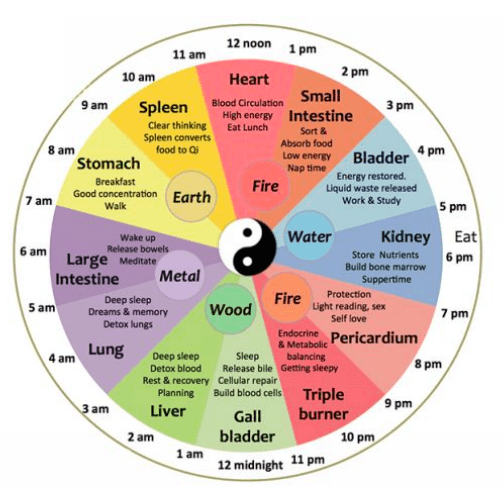
Your body follows a circadian rhythm that influences alertness, temperature, and energy.
Sleep disruption can amplify how strongly timing feels. Related context: sleep deprivation as a public-health issue.
What the Evidence Consistently Shows
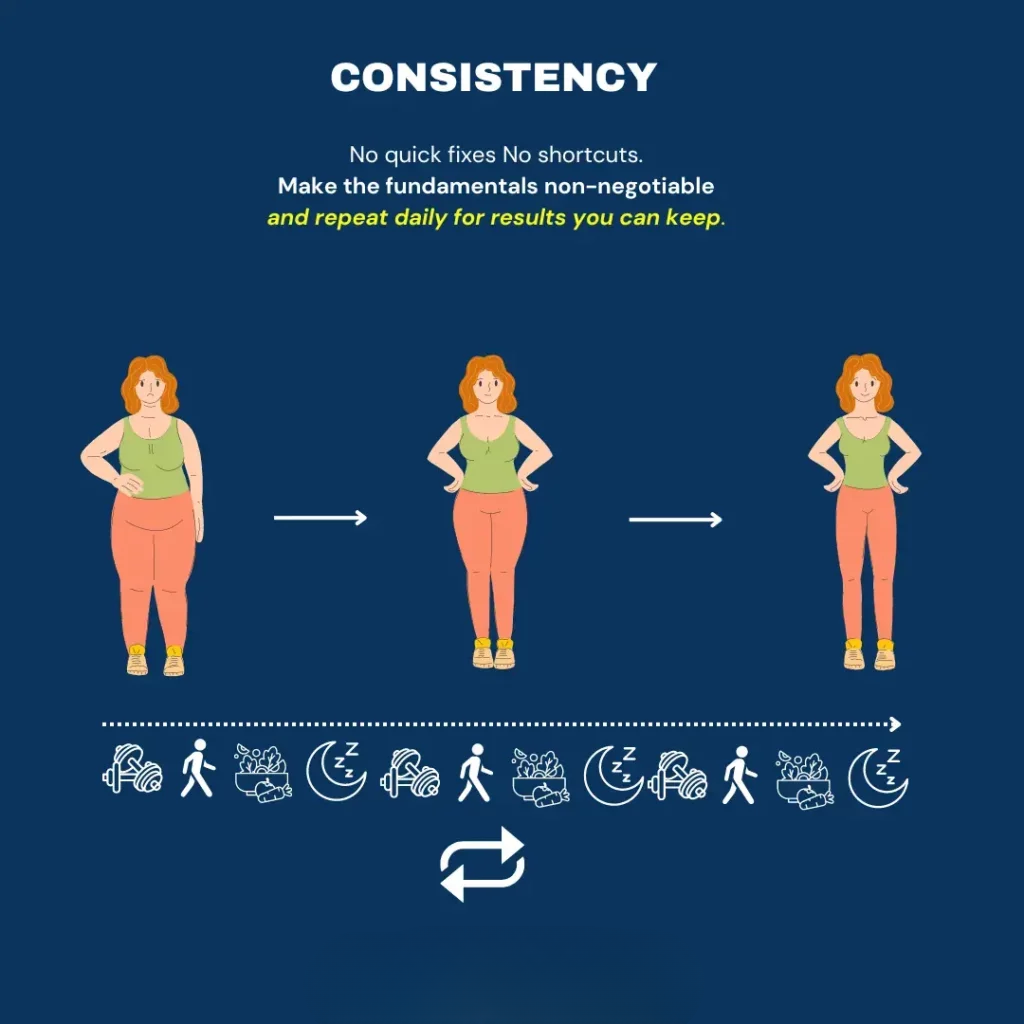
Fact: Regular activity matters more than the hour.
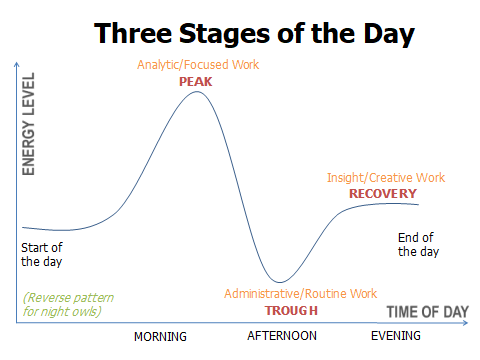
- Evening may favor strength performance
- Morning may support consistency
- Sleep response varies
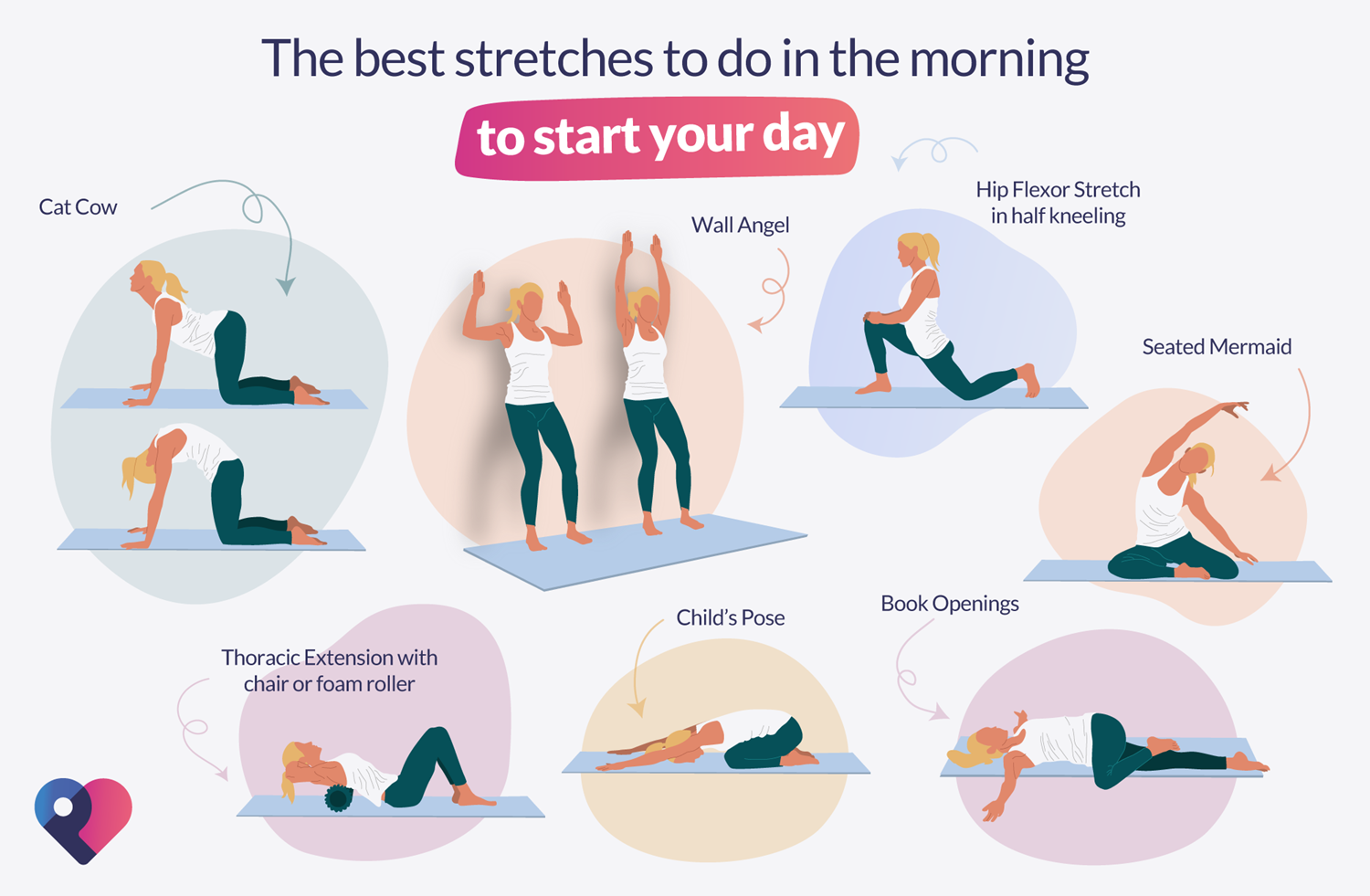
Morning Workouts

Morning routines often survive busy schedules better. Low-friction options like daily walking can help.
Evening Workouts
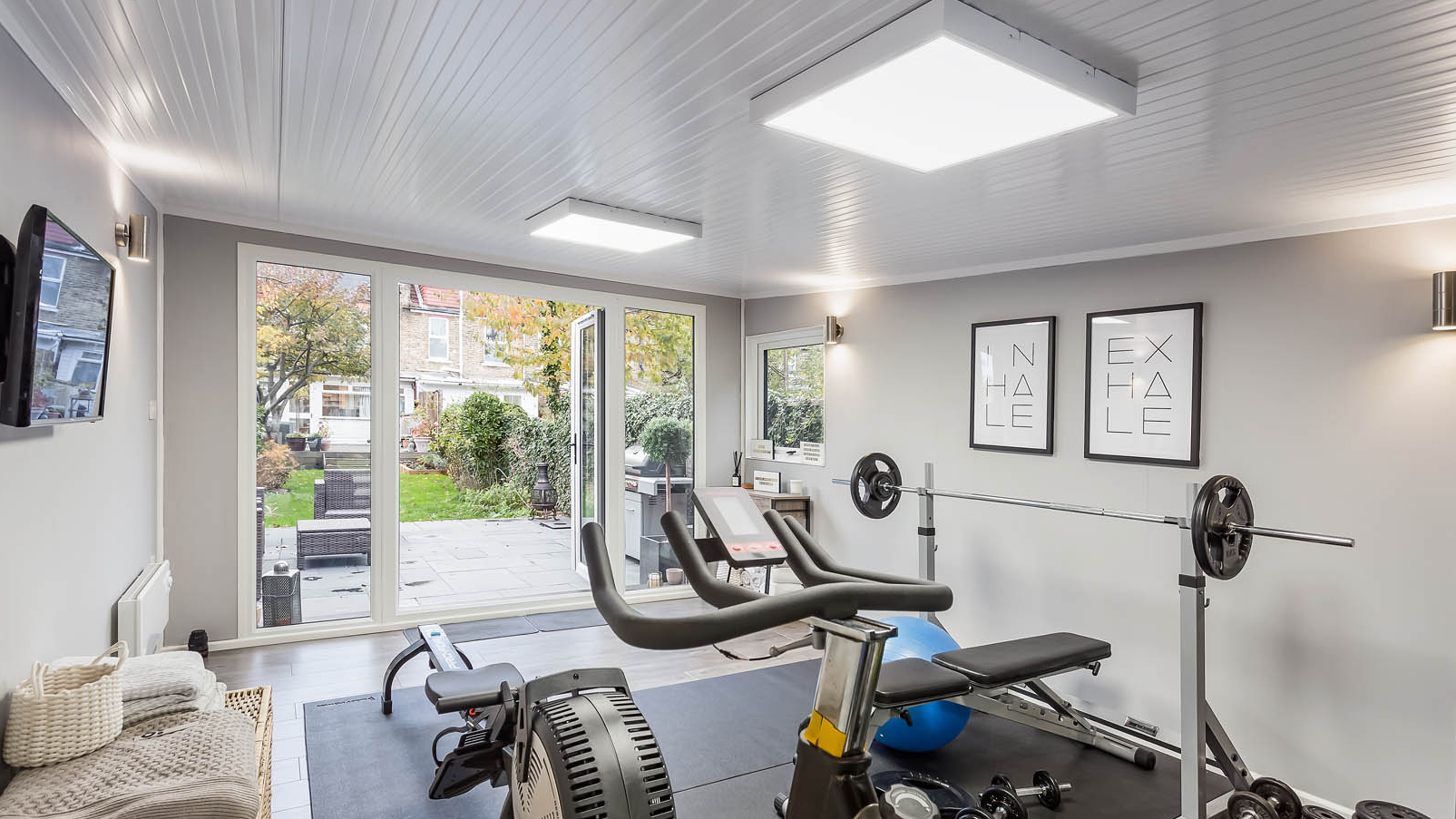
Evening sessions may feel easier physically. Joint-friendly approaches are discussed in low-impact training after 30.

Why This Question Hits Adults 25–55

Stress and decision fatigue often decide timing. See: stress-related health patterns.
Systems and Environment

Diet and inflammation also shape recovery. Related reads: ultra-processed foods and inflammation.
Big-Picture Framing

Consistency over years matters more than optimization. See: simple routines that last.